
Reducing Wine & Spirits Damages Through Packaging and Process Redesign
Client
Premium UK Retailer | Wines, Spirits and Food D2C
The Situation
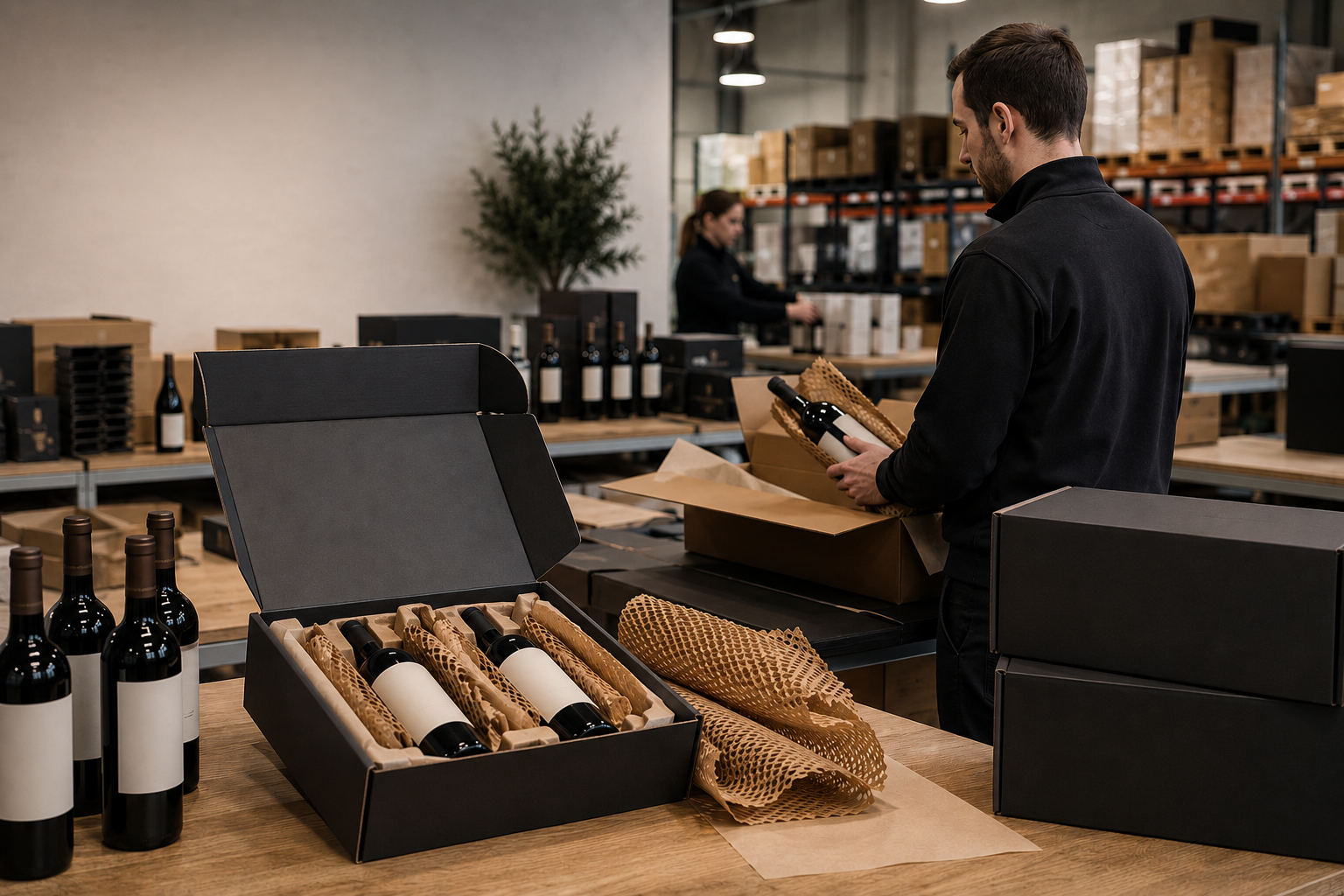
Damages across wine and spirits orders had become a board-level concern, particularly on premium bottles and higher-value customer orders. Reporting lacked consistency, no one could isolate where damage was occurring, and the business was considering a move to a more expensive specialist carrier without a clear commercial case.
What We Did
Combined refunds, replacements and sales data at SKU level to identify patterns across product types and order structures
Reviewed customer-submitted damage photography to isolate operational failure points
Analysed damage rates across single- and multi-bottle orders
Built a phased remediation plan focused first on packaging and operational process improvements before any carrier change
Results
The project established the first reliable operational baseline for damages:
3.4% damage rate identified across 73,691 units sold
2,533 damaged units quantified and categorised
75% of damages linked to multi-bottle orders
Top 20 SKUs responsible for 54% of all damages
Worst-performing SKU operating at a 14.3% damage rate
Analysis also confirmed the primary failure point sat within carrier hub sortation rather than final-mile delivery.
Beyond the Numbers
The work shifted leadership thinking from “we need a new carrier” to “we need better packaging and process control first.”
That prevented an expensive carrier switch before the operational root cause had been addressed.
The project also exposed a hidden reporting weakness: inconsistent photo evidence meant the business had no reliable way to measure whether improvements were actually working.
