
Building a Spare Parts and Service Operating Model for a Scaling D2C Brand
Client
Scaling VC-Backed Gym Equipment Supplier · D2C and B2B
The Situation
Spare parts were unmanaged operationally. Identification was manual, engineer lead times regularly stretched beyond three weeks, machines were being cannibalised for components, and service delays were becoming a growing commercial and reputational risk.
Operational knowledge sat with individuals rather than systems.
What We Did
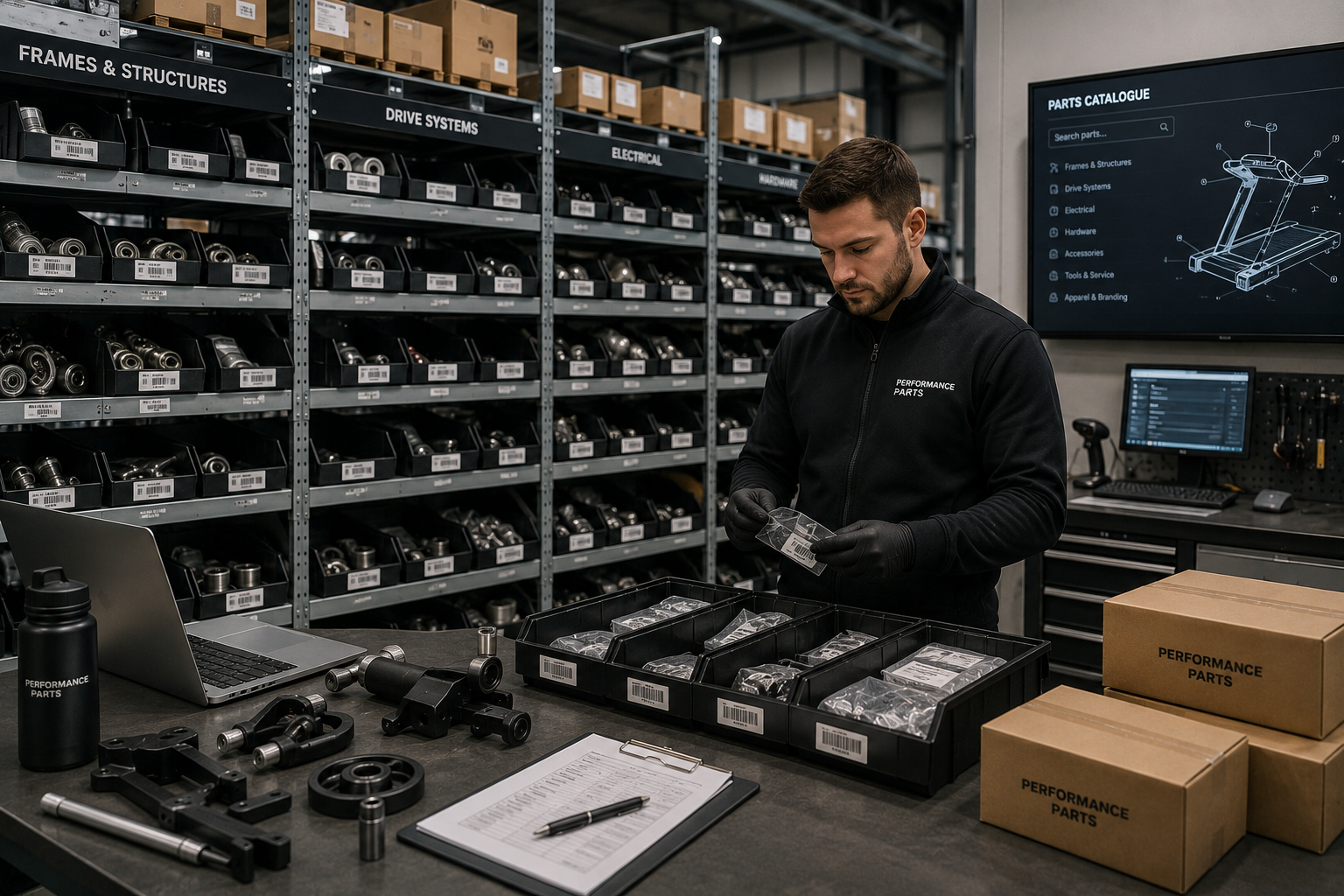
Designed a pragmatic “label-as-you-go” spare-parts workflow linked to real operational demand
Created a structured internal commerce process for service teams and customer payments
Developed service documentation, FAQ structures and assembly-video recommendations
Recommended a national service contract tender and expanded engineer network
Trained operational teams to roll out the process internally
Results
The new process delivered:
A live system-tracked spare-parts workflow replacing manual identification processes
Structured operational tracking for the top 20–50 highest-demand spare parts
Faster identification and routing of replacement components
Reduced reliance on tribal operational knowledge
A scalable operational framework for future service growth
Operational case reviews also identified fault-ticket delays ranging from several weeks to multiple months across orders valued between £600 and £77k.
Beyond the Numbers

The work shifted service operations from informal workarounds to a structured operational model.
Critically, the engagement also managed organisational resistance carefully — sequencing practical manual improvements ahead of larger systems or automation investment, ensuring the process could operate reliably before additional complexity was introduced.
